
The Science of GLP-1: How It Works in Your Body
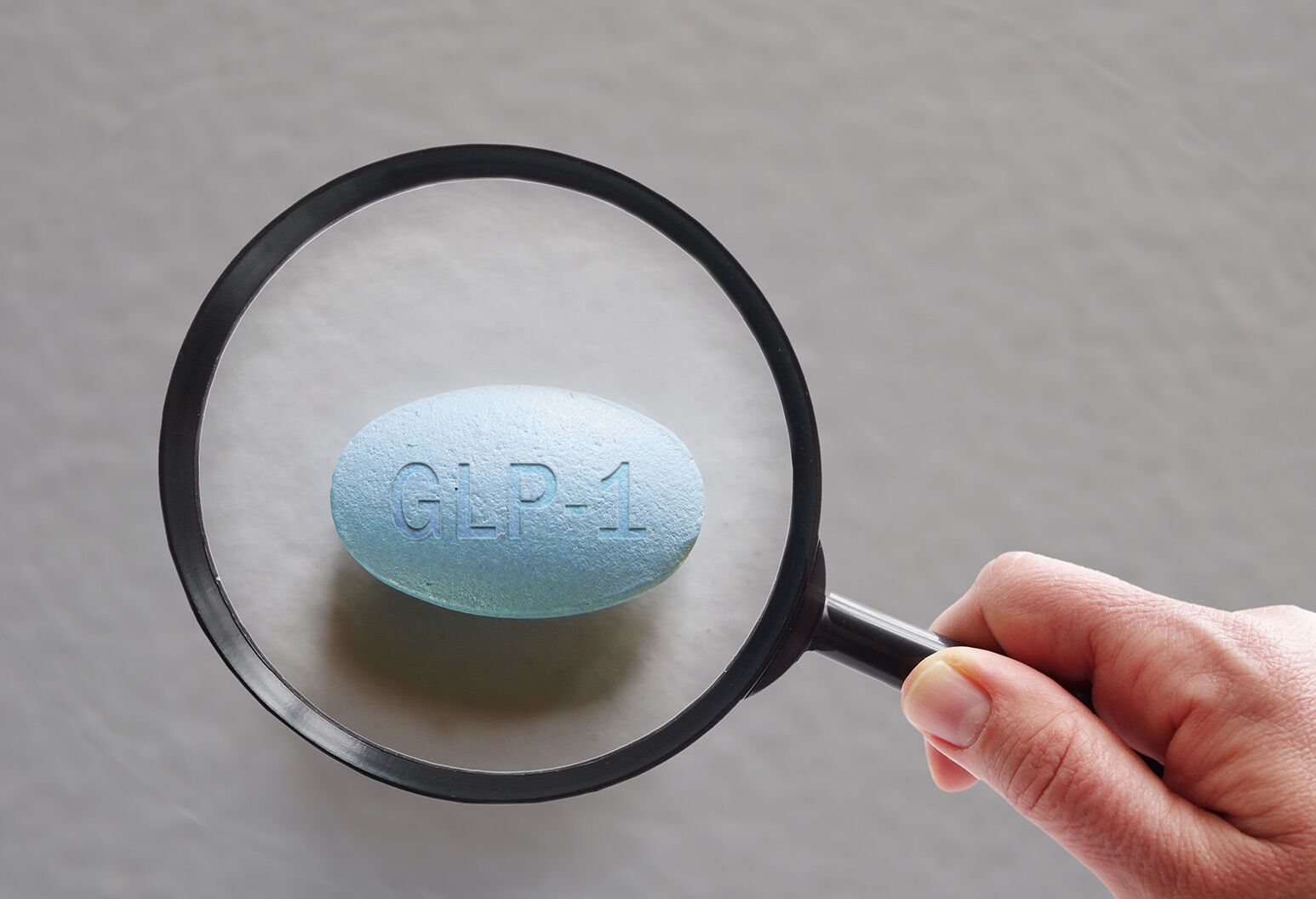
GLP-1 has become increasingly important in modern weight-management medicines. You must be familiar with drugs like semaglutide and tirzepatide. They involve signaling to control hunger, blood glucose levels, and digestion.
Many people wonder what the mechanism of action of GLP-1? GLP-1 is a natural hormone present in the body. It helps your body process food after you eat. It also regulates blood glucose levels and hunger. In this blog, you will study how GLP-1 works. This will help you understand how GLP-1 drugs can be used for weight and diabetes management.
What Is GLP-1?
GLP-1 stands for glucagon-like peptide-1. It is a hormone the body produces primarily in the gut. When you eat, your body produces GLP-1. Specialized cells in the stomach detect nutrients in food and release GLP-1 into the bloodstream. To understand GLP-1 better, it helps to know where it comes from. GLP-1 comes from a larger protein called proglucagon. Certain cells produce proglucagon. Enzymes later break down proglucagon into small pieces. In the gut, these processes produce active GLP-1.
When you eat, GLP-1 is released shortly after. The amount of GLP-1 hormone released may vary depending on the type and quantity of food consumed. Proteins, fat, and carbohydrates can influence GLP-1 secretion. After entering the blood circulation system, GLP-1 moves towards the cells containing the GLP-1 receptor. The receptor receives these signals. When GLP-1 binds to the receptor, it activates a signaling cascade inside the cell. This process drives most GLP-1 effects.
How Does GLP-1 Work?
GLP-1 does not work in just one part of the body. It sends signals to several organs. These signals help your body manage food, blood sugar, and hunger. GLP-1 also acts on the pancreas, stomach, heart, and brain. This broad role makes GLP-1 an important part of the body's natural energy-management system. It works by sending signals to different parts of the body. Each signal has a useful role.
GLP-1 and the Pancreas
One of GLP-1's main jobs involves blood sugar. After you eat, your blood sugar rises. GLP-1 helps the pancreas release more insulin as blood sugar rises. Insulin helps move glucose from the blood into cells. The cells can then use glucose for energy.
GLP-1 also reduces glucagon release when blood sugar levels are high. Glucagon normally tells the liver to release stored glucose. Together, these actions help the body manage blood sugar after meals.
GLP-1 and the Stomach
GLP-1 also affects how fast food moves through the stomach. It can slow gastric emptying, meaning food moves from the stomach into the small intestine more slowly. This can help you feel full for longer after a meal. It also gives your body more time to handle the nutrients from food.
GLP-1 and the Brain
GLP-1 also sends signals to parts of the brain that help control hunger and food intake. When GLP-1 activates these pathways, it can increase feelings of fullness. It can also reduce the drive to eat.
This is one reason GLP-1 has become so important in weight care. Instead of simply telling someone to eat less, GLP-1 works with the body's own hunger signals.
How Do GLP-1 Medicines Work?
Natural GLP-1 doesn't stay active in the body for long. Enzymes quickly break it down. This limits how long its signals can last. GLP-1 medicines use a different approach. Many of these medicines have structures that help them stay active for much longer.
This allows them to provide longer-lasting signals. For example, semaglutide acts on the GLP-1 receptor and can stay active in the body for about a week. This allows medicines such as Wegovy and Ozempic to be dosed weekly.
Liraglutide also acts on the GLP-1 receptor. Medicines such as Saxenda use this active ingredient and require daily dosing. These medicines copy key actions of natural GLP-1. They can help control hunger, support fullness, and improve blood sugar control.
What Makes Tirzepatide Different?
You may also hear about tirzepatide. It is used in medicines such as Mounjaro and Zepbound. Tirzepatide works slightly differently. It activates both the GLP-1 and GIP receptors.
GIP stands for glucose-dependent insulinotropic polypeptide. It is another hormone that helps the body respond to food. By working on both pathways, tirzepatide can affect blood sugar, hunger, and food intake. This dual action has made tirzepatide an important option in modern weight care.
Why Does GLP-1 Reduce Hunger?
Hunger does not come from the stomach alone. Your brain receives signals from many parts of the body. The gut sends signals after you eat. Your pancreas also sends signals. Hormones and blood sugar levels add more information. The brain brings these signals together to help control appetite.
GLP-1 forms part of this system. When GLP-1 activates its receptors in appetite-related areas, it can increase the feeling of fullness. This may reduce food intake. For people who struggle with constant hunger, this change can make healthy eating feel more manageable.
GLP-1 and Blood Sugar
GLP-1 is closely linked to blood sugar control. After a meal, blood glucose rises. GLP-1 helps the pancreas release insulin in response. At the same time, it helps reduce glucagon when glucose levels are high.
This is called a glucose-dependent effect. In simple terms, GLP-1 works more strongly when blood sugar is high. This helps the body respond to food in a controlled way.
How Long Does Natural GLP-1 Last?
Natural GLP-1 has a very short life in the blood. An enzyme called DPP-4 breaks it down quickly. This short action makes sense for a natural hormone. The body can release it after meals and then quickly reduce its activity.
GLP-1 medicines use structural changes to last much longer. Some medicines also resist DPP-4 breakdown. This lets them keep working longer. The result is a longer, steadier signal.
The Future of GLP-1 Research
The scientific community is still investigating GLP-1 and similar hormones. Scientists want to understand how these pathways affect issues such as obesity, glucose control, cardiac health, and more. This could eventually lead to new therapies and treatment approaches.
Overall, current knowledge of GLP-1 provides a clear understanding of what makes these drugs effective. They interact with our physiology, stimulate satiety, improve blood glucose control, and make a healthy approach to weight management more realistic for many people.
Why Choose NowTelehealth?
At NowTelehealth, we make it simple to connect with a licensed New York provider from home. We use secure, HIPAA-compliant video visits so that you can get care without a crowded waiting room. We take time to understand your health, answer your questions, and create a care plan that fits your needs. Our flexible visits make it easy to get expert guidance around your schedule. We also offer ongoing care, medication support, and regular check-ins when needed. Our process is simple. You choose the care you need, meet with a licensed provider, get a care plan, and keep moving toward your health goals.
FAQs
What is GLP-1?
GLP-1 is a hormone made by your body. It helps control blood sugar, digestion, and hunger. Your body releases it after you eat. It then sends signals to the pancreas, stomach, and brain.
How does GLP-1 help control hunger?
GLP-1 sends signals to parts of the brain that help manage hunger and fullness. It can help you feel full after smaller meals. This can make it easier to follow a healthy eating plan.
How does GLP-1 affect blood sugar?
GLP-1 helps the pancreas release insulin when blood sugar rises after a meal. It also reduces glucagon release when blood sugar is high. Together, these actions help the body manage blood sugar.
What is the difference between GLP-1 and GIP?
GLP-1 and GIP are both hormones that help the body respond to food. GLP-1 affects hunger, digestion, and insulin release. GIP also supports insulin release and plays a role in how the body handles nutrients. Tirzepatide works on both GLP-1 and GIP receptors.
Can a provider help me learn if GLP-1 treatment is right for me?
Yes. A licensed provider can review your health, medical history, and goals. They can then discuss your care options and help you decide what approach may suit your needs. NowTelehealth connects patients in New York with licensed providers through secure online visits.