
Oral vs. Injectable GLP-1 Treatment: What’s the Difference?
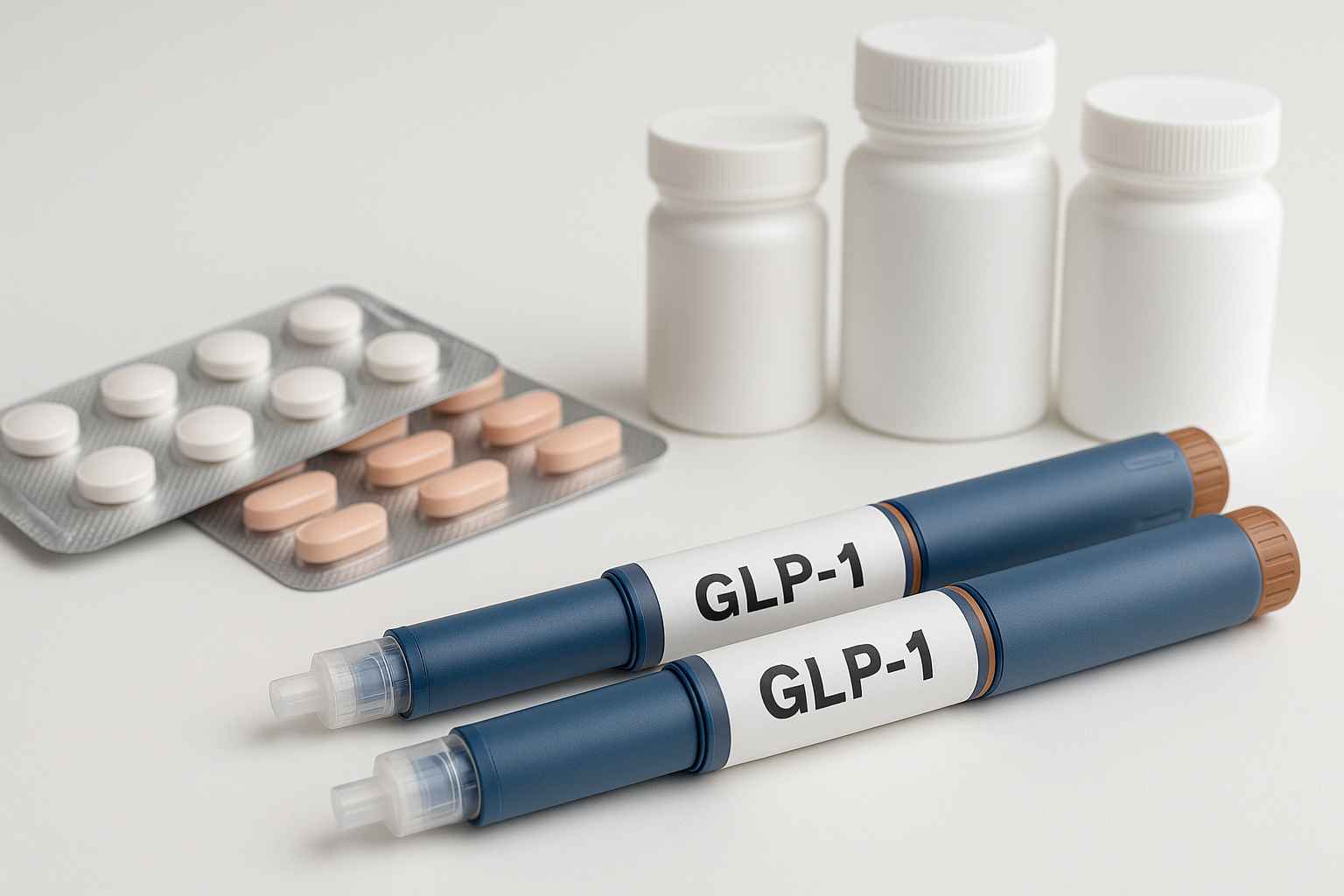
GLP-1 treatments help manage blood glucose and support weight loss. You can take them orally as tablets or by injection, depending on the medication and your needs. Learning more about the differences between oral and injectable GLP-1 treatments may help you decide which is best to discuss with your physician. Both types can be very effective; however, they are administered differently.
Oral vs Injectable GLP-1
Oral GLP-1 medication comes as a tablet and is taken by mouth. Injectable GLP-1 medications are administered by injection. Semaglutide pills are available for oral use, while both semaglutide and tirzepatide are available as injections. An oral form of all drugs may not be available, and the forms available may be approved for different purposes. Neither way is better for everybody. Talk to your doctor about the available treatment forms based on your medical condition.
Why Does the Delivery Method Matter?
The route of administration determines how the medicine enters your body. Oral medicines enter your body through the gastrointestinal system. In some cases, the medicine is digested, which affects how much is absorbed into your body. Oral semaglutide uses a specific formulation that promotes absorption. On the other hand, injectable medicines enter your body through subcutaneous injection. This means you don't need to absorb the medicine orally.
Oral GLP-1 Treatment Explained
Oral GLP-1 treatment provides an option for people who prefer tablets over injections. Oral semaglutide is available in approved tablet formulations. However, different products have different approved uses and instructions, so they aren't interchangeable.
What Is Semaglutide ODT?
ODT stands for orally disintegrating tablet. These tablets dissolve in the mouth rather than being swallowed whole.
How Do You Take Oral Semaglutide?
Oral semaglutide tablets have particular dosing instructions. For example, guidelines for some FDA-approved versions state that you should take the tablet in the morning while fasting, with a little plain water. You must then wait at least 30 minutes before eating, drinking, or taking other oral medicines.
Potential advantages:
No injections required.
Can fit the routine of someone who prefers tablets.
Offers an alternative for eligible patients who dislike needles.
Injectable GLP-1 Treatment Explained
Injectable GLP-1 treatments are administered under the skin, often using a prefilled injection pen. Depending on the medication and prescribed schedule, patients may take injections daily or weekly. Examples include injectable semaglutide and tirzepatide. Although tirzepatide acts on both GIP and GLP-1 receptors, it is often discussed alongside GLP-1 treatments because of its role in blood sugar management and weight loss.
What Are the Benefits of Injections?
Many injectable options use a weekly schedule, which may suit people who prefer not to take a tablet every morning. They also avoid the specific fasting and timing requirements associated with some oral semaglutide products. However, injections require comfort with needles and proper administration. Some people may experience temporary discomfort or irritation at the injection site.
Potential advantages:
Several products offer weekly dosing.
Some options require fewer daily dosing times.
Injectable medications have demonstrated benefits in appropriate patient groups.
Adherence, Dosing and Convenience
The best treatment is one you can use safely and consistently under medical supervision.
Factor
Oral treatment
Injectable treatment
Administration
Swallow a tablet
Inject under the skin
Frequency
Often daily
Daily or weekly, depending on the product
Routine
May require fasting and timed dosing
May offer more flexibility with meal timing
Main consideration
Following tablet instructions
Comfort with injections and correct technique
For example, someone who dislikes needles may prefer an eligible oral option. Someone with a busy morning routine may find strict tablet timing difficult and prefer a suitable injectable treatment.
Effectiveness: Are Pills or Injections Better for Weight Loss?
No one answer applies to everyone. The outcomes vary based on the type of drug being used, the dose prescribed, how long the treatment lasts, existing health problems, and personal responsiveness to the drug. Studies show that both oral and injectable semaglutide can facilitate weight loss in eligible patients. However, study findings cannot be directly compared because doses, subjects, and experimental designs vary. There are also variations in how tirzepatide and semaglutide function.
How Does a Provider Choose the Right Route?
The healthcare provider not only asks you about your preferences but also analyzes other things:
The goal of your treatment: whether you have type 2 diabetes, excess body weight, or both.
The history of your health: Other diseases or drugs that could influence the choice of treatment.
Your daily activities: Your ability to take drugs as prescribed.
Side effects and risks: Your sensitivity and all possible risks.
Available and affordable drugs: Approved medicines which you can use.
Your provider can explain the advantages and disadvantages of each drug option. Don’t change your doses or combine GLP-1 agonists without consulting your healthcare professional.
What to Expect When Starting Treatment
Before starting treatment, your healthcare provider will review your medical history and the potential benefits and risks of this procedure to determine whether it is right for you.
If you receive a prescription, you will be provided with all information about dosage, regimen, storage, and possible side effects. Sometimes the dosage is advised to start low and increase it gradually, depending on the drug and its recommendations.
Follow-up visits will track your progress and answer your questions. If you experience side effects, especially severe ones that disrupt your daily activities, consult your physician.
Book an Appointment with NowTelehealth
At NowTelehealth, we make it easier to discuss your health concerns with licensed New York healthcare providers through secure, HIPAA-compliant virtual visits. You can discuss weight management goals, review your medical history, and explore whether a GLP-1 treatment may be appropriate for you.
Frequently Asked Questions
1. Is oral semaglutide as effective as injectable semaglutide?
Both can support weight management or blood sugar control in eligible patients. Results depend on the specific formulation, dose, and individual response.
2. Is oral tirzepatide available?
As of October 2026, tirzepatide is available in approved injectable formulations in the United States. Check current regulatory information for updates.
3. Are GLP-1 injections better than pills?
Not necessarily. The best option depends on the medication, your health needs, and your ability to follow dosing instructions.
4. Can I switch from pills to injections?
A provider may recommend switching when appropriate. Do not switch or adjust treatment without professional guidance.
5. Do GLP-1 treatments have side effects?
Yes. Common side effects include nausea, vomiting, diarrhea, and constipation. Your provider can explain other risks based on the medication and your medical history.